logotype

Category: TRUFORMA

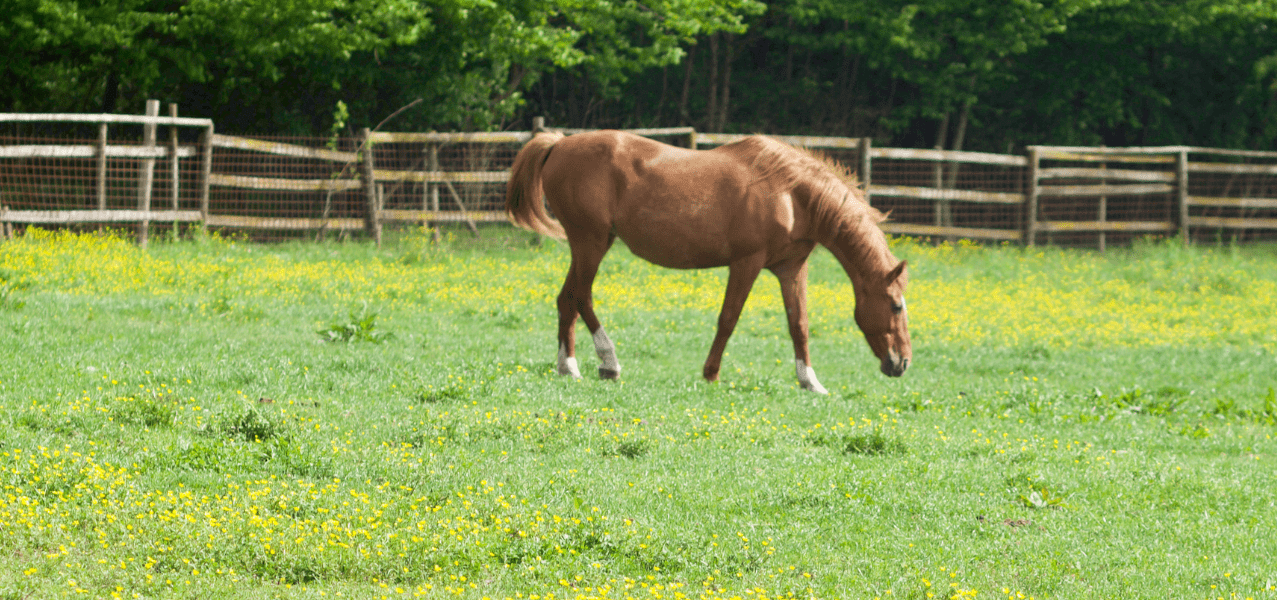
Chestnut horse grazing in a green pasture dotted with yellow wildflowers, with a wooden fence and trees in the background

Laminitis in Horses: What Equine Vets Need to Know About Endocrine-Driven Cases

Laminitis is one of the most painful and debilitating conditions a horse can face — and one of the most common calls an equine vet will receive. For horse owners, it’s a frightening diagnosis. For practitioners, it’s both a clinical challenge and an opportunity: to dig deeper, identify root causes, and deliver faster, more confident care. 

Understanding what drives laminitis — not just how to manage it once it’s present — is where modern diagnostics are making a real difference. Point-of-care testing is changing what’s possible in the field and in the clinic, giving equine vets the tools to do more for their patients without sending samples off to a reference lab and waiting. 

What Is Laminitis in Horses? 

Laminitis is inflammation of the laminae — the sensitive tissue that connects the coffin bone (pedal bone) to the inner hoof wall. When this tissue becomes damaged or inflamed, the structural integrity of the hoof is compromised. In severe or chronic cases, the coffin bone can rotate or sink, causing permanent damage and significantly impacting a horse’s quality of life. 

The condition can affect any horse or pony of any age or breed, though certain populations are at significantly higher risk — particularly older horses, easy keepers, and animals with underlying endocrine disorders. Laminitis can present acutely, with sudden severe lameness, or develop more gradually in horses with chronic, unmanaged systemic disease.  

What’s critical to understand is that laminitis is frequently a symptom, not the root problem. Treating the hoof without addressing the underlying cause puts horses at high risk for recurrence — and more serious episodes over time. The American College of Veterinary Internal Medicine (ACVIM) and the Equine Endocrinology Group both emphasize endocrine evaluation as a core component of any laminitis workup. 

Close-up of a horse's hoof and feathered fetlock standing in muddy wet ground, partially obscured by green foliage in the foreground

Recognizing Laminitis: Clinical Signs to Watch For 

Early recognition is essential. The sooner laminitis is identified and the underlying cause addressed, the better the prognosis for the horse. Key clinical signs include: 

  • Characteristic laminitic stance: Weight shifted back onto the heels to relieve pressure on the toes 
  • Increased digital pulse: Bounding or easily palpable pulse in the digital arteries 
  • Heat in the hooves: Warmth detectable at the coronary band or hoof wall 
  • Reluctance or refusal to move: Stiff, stilted gait or outright unwillingness to bear weight 
  • Rocking or shifting weight: Especially in horses with bilateral forelimb involvement 
  • Hoof wall changes: In chronic cases, growth rings (founder rings), divergent rings, or a dished hoof wall 

The Obel grading scale remains a useful clinical tool for characterizing severity, from Grade I (mild, intermittent weight shifting) to Grade IV (refusal to move, extreme pain). Regardless of grade, any suspected laminitis episode warrants prompt investigation — including a hard look at what may be driving it systemically. 

The Underlying Causes Vets Can’t Afford to Miss 

When a horse presents with laminitis, the hoof is where you see the problem — but the origin is often elsewhere. Two endocrine conditions are among the most significant drivers of laminitis in horses: insulin dysregulation (ID) and pituitary pars intermedia dysfunction (PPID). 

Insulin Dysregulation 

Insulin dysregulation is now recognized as one of the leading causes of laminitis in horses and ponies. Abnormally elevated insulin levels — whether from diet, obesity, or an underlying metabolic disorder — directly trigger laminitic episodes. Horses with a history of laminitis, easy-keeper body condition, or cresty necks should be evaluated for ID as a matter of course. 

Current options for detecting risk of hyperinsulinemia-associated laminitis (HAL) include resting insulin measurement and the oral sugar test (OST), which provides a dynamic picture of insulin response and is recommended by the Equine Endocrinology Group as the preferred screening method for horses and ponies on managed diets. The OST requires post-challenge insulin measurement at 60–90 minutes, making fast, in-clinic turnaround especially valuable. 
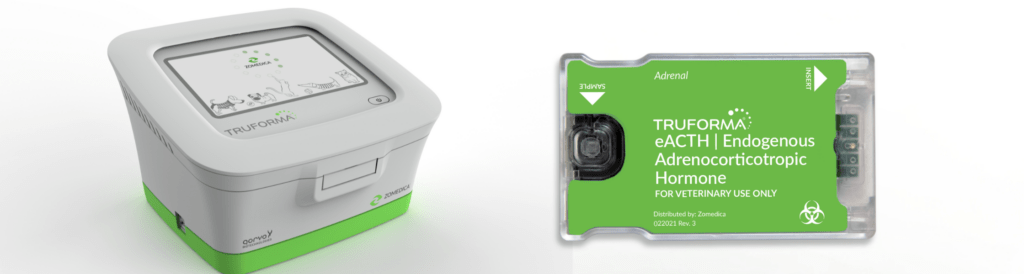
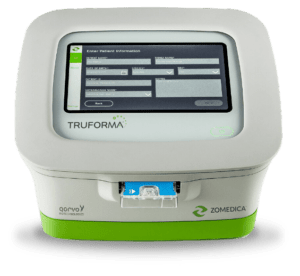
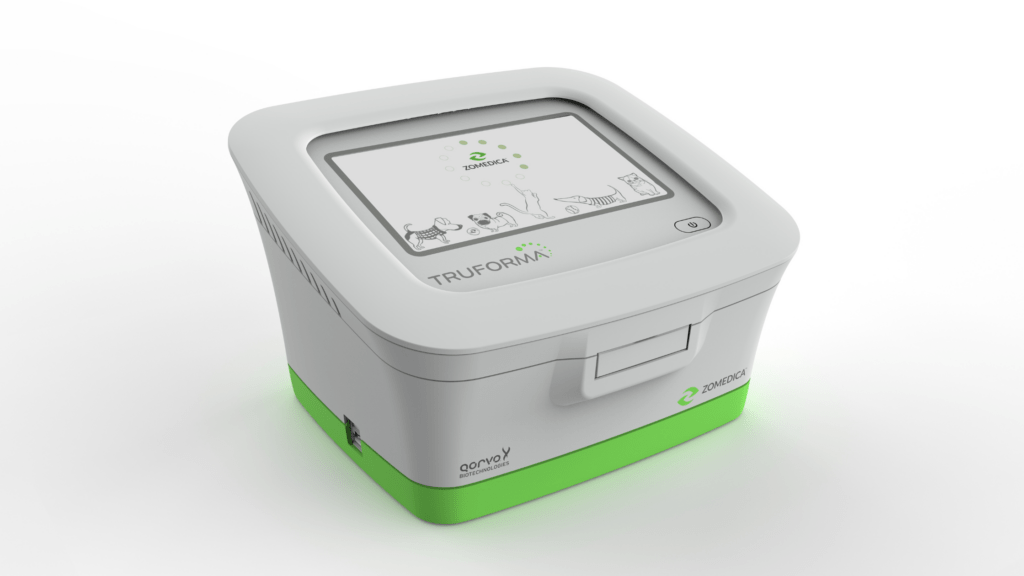
TRUFORMA diagnostic device next to a TRUFORMA eACTH adrenal test cartridge for veterinary use

PPID (Equine Cushing’s Disease) 

Pituitary pars intermedia dysfunction is the most common endocrine disorder in older horses. PPID is caused by degeneration of dopaminergic neurons in the hypothalamus, which leads to overproduction of ACTH and other pituitary hormones. Elevated ACTH is associated with elevated cortisol synthesis, and increased laminitis risk — along with a host of other clinical signs including hypertrichosis, muscle atrophy, weight loss, polydipsia, and recurrent infections. 

The prevalence of PPID is significant: roughly 1 in 5 horses over the age of 15 is affected, with prevalence rising to approximately 30% in horses over 30. And while hypertrichosis (the classic long, curly coat that fails to shed) is the most recognizable sign, many horses present with subtler symptoms — including laminitis — well before the haircoat changes appear. 

It’s also worth noting the seasonal ACTH rise: in the late summer and autumn months (typically August through October in the Northern Hemisphere), horses naturally experience an elevation in ACTH levels. In PPID-affected horses, this seasonal rise is exaggerated and directly associated with increased laminitis risk. The Equine Endocrinology Group’s PPID guidelines recommend adjusted seasonal reference ranges during this window and advise extra vigilance for laminitis episodes in the fall. Proactively screening older horses ahead of this period — and communicating that recommendation to horse owners — is one of the highest-value things an equine practitioner can do. 

For any horse presenting with laminitis, especially in middle age or older, ruling out PPID and insulin dysregulation isn’t optional. It’s foundational to good care. 

Traditional Diagnostic Methods — and Their Limitations 

Diagnosing endocrine-driven laminitis has historically meant sending samples to a reference laboratory for ACTH or insulin measurement. Current standard-of-care options include: 

  • Baseline endogenous ACTH (eACTH) measurement for PPID diagnosis in horses with overt clinical signs 
  • TRH stimulation testing, in which thyrotropin-releasing hormone is administered intravenously and ACTH is measured at prior to injection and 10 minutes post-injection — the recommended method for detecting early-stage PPID before clinical signs are pronounced 
  • Resting insulin and the oral sugar test (OST) for evaluating insulin dysregulation 


These are well-validated approaches, and the Equine Endocrinology Group’s published guidelines remain the clinical reference standard for when and how to use them. But each of these tests — particularly eACTH measurement — comes with real-world logistical constraints that reference lab workflows struggle to address. 

Endogenous ACTH is extremely labile. The hormone degrades rapidly at room temperature — studies show that samples can lose more than 50% of their eACTH concentration within 24 hours of collection, with meaningful degradation beginning as early as two to four hours. Strict cold-chain protocols are required from the moment of collection through arrival at the lab. Any deviation — a warm shipping environment, a handling delay, a delayed centrifugation step — can yield results that don’t reflect the horse’s true hormone levels. Erroneous values mean diagnostic uncertainty, which means delayed treatment. 

Turnaround time adds another layer of friction. Reference lab results typically take 24 hours or more — not counting shipping time and weekend closures. That means a second conversation with the horse owner, a callback, and a gap between testing and treatment initiation. For a horse already in pain, that delay matters. 

Insulin testing faces similar challenges. The OST in particular requires a timed post-challenge draw, making fast, reliable on-site measurement significantly more practical than a reference lab send-out. 

These aren’t failures of the reference lab model — they’re inherent constraints of the workflow. But they are constraints that newer technology is now designed to address. 

How The TRUFORMA® Diagnostic Platform Is Changing the Diagnostic Process 

For equine practitioners ready to bring endocrine diagnostics in-house, the results speak for themselves — and for the horse owner who no longer has to wait. 

The TRUFORMA® platform from Zomedica is built on bulk acoustic wave (BAW) technology — a non-optical, fluorescence-free detection system originally developed for use in telecommunications and aerospace. It’s available at the point of care in veterinary clinics and in the field, and it’s purpose-built to address the sample handling and turnaround limitations of reference lab workflows. Learn more at zomedica.com/truforma → 

TRUFORMA eACTH Assay for Equine Plasma 

Thanks to the TRUFORMA platform, sample handling challenges associated with shipping are substantially reduced — meaning results that more accurately reflect the horse’s actual hormone status. Performance data supports its use with confidence. The assay demonstrated high correlation with the Siemens IMMULITE reference lab assay (R=0.96), with minimal overall bias. The dynamic range of 5–1,250 pg/mL covers both the low end relevant to nuanced clinical decisions and the high concentrations associated with pronounced PPID — without dilution or additional processing steps. Results are available in under 20 minutes, compared to 60+ minutes for the reference lab workflow (not including shipping time). 

TRUFORMA Equine Insulin Assay 

The TRUFORMA equine insulin assay screens for insulin dysregulation using equine EDTA plasma, with two run protocols: a Default protocol for general screening (dynamic range 7.5–400 µU/mL) and an Auto Dilute protocol for follow-up on high-concentration samples (100–1,500 µU/mL). Precision data showed a coefficient of variation of 7.1–10.2% for the Default protocol and 5.6–6.8% for Auto Dilute — and correlation with radioimmunoassay reached R=0.98 across 114 equine samples. 

The fast turnaround makes TRUFORMA particularly well-suited to OST workflows, where a 60–90 minute post-challenge draw can be processed and interpreted the same day — ideally before the horse owner leaves the property. 

Together, these two assays give equine practitioners the ability to test for the two most significant endocrine drivers of laminitis in a single clinic visit — with reference-lab quality results in hand before the horse owner leaves. 
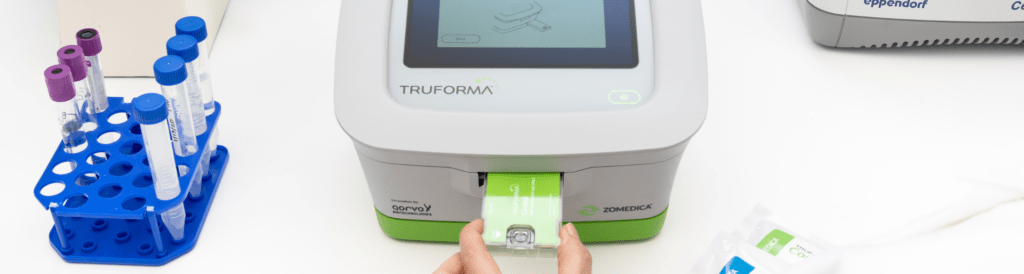
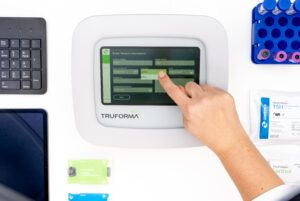
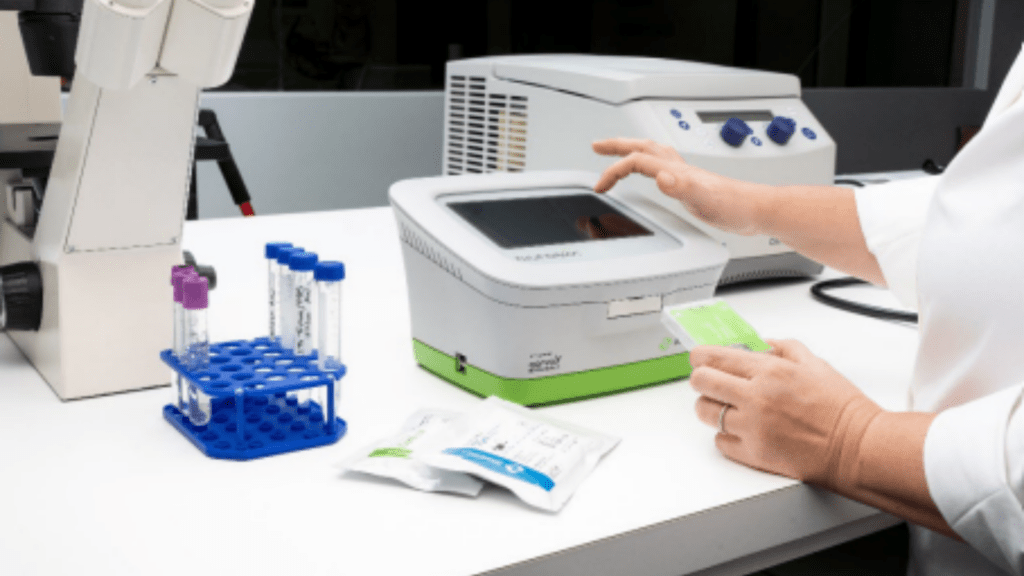
 Hands inserting a test cartridge into the TRUFORMA point-of-care diagnostic device, with sample tubes and a lab analyzer in the background

What BAW Technology Means in Practice 

Unlike traditional enzyme-based immunoassays that rely on optical detection, BAW biosensors measure the mass accumulated on a sensor surface directly, creating a frequency shift proportional to the amount of analyte present. The result is a highly precise, reliable measurement that doesn’t require large, expensive instrumentation or radioactive substances — and that performs consistently across instruments and operators. The compact, simple design of the TRUFORMA platform requires minimal training and fits into field and clinic workflows without disruption. 

What This Means for Your Practice 

For equine vets, the ability to test and treat in the same visit isn’t just a clinical advantage — it’s a practice differentiator. 

When a horse owner brings in a laminitis case and you can run an eACTH and insulin panel on-site, explain the results in real time, and begin a treatment conversation before they leave, you’ve delivered a different level of care. That builds trust, reduces the back-and-forth of callback consultations, and positions your practice as a progressive, well-equipped resource for equine health. 

Early detection of PPID and insulin dysregulation also means earlier treatment — which reduces the risk of laminitis episodes, more severe disease progression, and the difficult conversations that come with advanced cases. For the horse, earlier is better. For the horse owner, earlier is reassuring. For your practice, delivering that kind of proactive care is meaningful. 

Zomedica’s Customer Appreciation Program provides the TRUFORMA instrument with no capital outlay and no monthly minimums — lowering the barrier to bringing this technology in-house. Contact us to learn more! 

Frequently Asked Questions About Laminitis in Horses 

What is laminitis in horses? 

Laminitis is inflammation of the laminae, the tissue bonding the coffin bone to the inner hoof wall. It causes significant pain and lameness, and in severe cases can lead to permanent structural damage of the hoof. It is often a sign of an underlying systemic condition rather than a standalone disease. 

What causes laminitis in horses? 

Laminitis has several potential triggers, but endocrine disorders — particularly insulin dysregulation and PPID  — are among the conditions most frequently associated with its development. Other triggers include dietary carbohydrate overload, systemic illness, and mechanical overloading of a limb. 

What are the signs of laminitis in a horse? 

The classic signs include a laminitic stance (weight shifted to the hindquarters), bounding digital pulse, heat in the hooves, and reluctance to move. Chronic cases may show hoof wall changes such as founder rings or a dished toe. 

Can laminitis be cured? 

Acute laminitis can often be managed effectively with early intervention, particularly when the underlying cause is identified and addressed. Chronic laminitis with significant coffin bone rotation is more difficult to reverse, though many horses can be managed to a good quality of life with appropriate farriery, diet, and medical management. 

How is PPID connected to laminitis? 

PPID causes overproduction of ACTH, which leads to elevated cortisol levels. This hormonal dysregulation disrupts normal metabolic processes and is thought to increases a horse’s susceptibility to laminitis — particularly during the autumn seasonal ACTH rise. 

How is insulin dysregulation diagnosed in horses? 

Resting insulin measurement and the oral sugar test (OST) are the primary diagnostic tools. The OST measures insulin response to a sugar challenge and is the preferred screening method for horses on managed diets. Point-of-care testing with the TRUFORMA platform allows for fast, in-clinic insulin measurement, making same-visit diagnosis and treatment planning possible. 

Ready to See the TRUFORMA Diagnostic Platform in Action? 

Laminitis will always be part of equine practice. But the diagnostic process that follows a laminitis diagnosis doesn’t have to mean days of waiting, sample handling uncertainty, and delayed treatment decisions. 

TRUFORMA gives you the tools to go further, faster — with reference lab quality results at the point of care, in under 20 minutes. 

Learn more about the TRUFORMA eACTH and Equine Insulin assays here, or contact your Zomedica sales representative to request a demo: 

734.369.2555  |  sales@zomedica.com  

©2026 Zomedica Inc. All rights reserved.  TRUFORMA® is a registered trademark of Zomedica Inc.  

Disclaimer: The information provided on this blog is for general informational and educational purposes only. It is not intended as medical advice and should not be used as a substitute for professional medical guidance. Always consult a qualified healthcare provider before making any health‑related decisions.
cat chin scratch

Diagnosing Feline Hyperthyroidism: Why the TRUFORMA® Biosensor Testing Platform’s Feline TSH Test Outperforms Traditional Methods 

Based on the continuing education webinar presented by Dr. Kristin Marzin, DVM* 

Feline hyperthyroidism affects 10% of geriatric cats, making it the most common endocrine disorder in veterinary medicine. Yet for many practitioners, diagnosing borderline cases remains frustratingly difficult. Does this scenario sound familiar? You have a 12-year-old cat with weight loss and a palpable thyroid nodule, but the T4 comes back normal. Do you treat? Wait and retest? Send out for more diagnostics and wait days for results? 

Traditional testing methods leave veterinarians in diagnostic gray zones far too often—and waiting for send-out labs delays treatment decisions. The TRUFORMA® platform’s feline-specific TSH test changes that, offering the sensitivity and specificity needed to confidently diagnose hyperthyroidism in 20 minutes, right in your clinic. 

The Problem: Total T4 Testing Misses Up to 10% of Hyperthyroid Cats

While approximately 90% of hyperthyroid cats can be diagnosed through clinical signs and elevated T4, a significant percentage of cases fall into diagnostic gray zones. Several factors complicate diagnosis: 

  • Early disease stages where T4 values haven’t elevated yet 
  • Normal T4 fluctuations that may drift in and out of reference ranges 
  • Non-thyroidal illness that can suppress T4 values into normal ranges 

The 2016 AAFP guidelines for hyperthyroid management organize these challenging cases into six categories, with most requiring either repeated T4 testing or additional thyroid hormone testing to confirm or exclude hyperthyroidism. 

Why Free T4 Falls Short in Real-World Practice

Traditionally, free T4 (measured by equilibrium dialysis) has been used to support hyperthyroid diagnosis in cats, offering nearly 99% sensitivity. However, this highly sensitive test has limitations: 

  • Free T4 can be normal, increased, or decreased in cats with non-thyroidal illness 
  • Should not be used as the sole confirmatory test 
  • Newer chemiluminescent methods show questionable accuracy, consistently undervaluing results compared to equilibrium dialysis 
  • Not recommended for monitoring cats following radioactive iodine therapy 

Feline TSH vs. Canine TSH: Why Species-Specific Testing Matters

In hyperthyroid cats, autonomously secreted thyroid hormones suppress TSH production to near-zero levels—a finding that should make TSH testing ideal for diagnosis. The problem? Canine TSH assays weren’t designed for feline physiology. 

  • Normal feline TSH range is often lower than the canine assay’s lower limit of quantification 
  • Canine TSH cannot reliably differentiate between healthy cats and those with non-thyroidal illness 
  • Cannot be used as a sole diagnostic test 

Despite these limitations, research by Dr. Mark Peterson’s group examining 917 hyperthyroid cats demonstrated that serum TSH concentrations are suppressed in 98% of hyperthyroid cats, with median TSH below 0.03 ng/mL compared to 0.05 ng/mL in clinically normal cats. The study found that only 2% of hyperthyroid cats had measurable canine TSH concentrations, while nearly 70% of euthyroid cats had detectable levels. This meant that finding a measurable canine TSH could help rule out hyperthyroidism in cats, though the test showed poor specificity (69.9%) when used alone. 

The key insight: while canine TSH could be somewhat useful for screening, its lack of sensitivity in the low range where feline values typically fall—combined with poor specificity—highlighted the critical need for a feline-optimized assay. 

How the TRUFORMA® Platform's Feline TSH Test Solves the Diagnostic Puzzle

Zomedica developed the TRUFORMA biosensor testing platform’s feline-verified TSH test to address every limitation of canine assays—with technology optimized specifically for feline physiology and delivered through the only in-clinic platform available. Here’s what makes the TRUFORMA® platform test different: 

The Only In-Clinic Feline TSH Test Available

The TRUFORMA system is the only point-of-care platform offering feline-specific TSH testing. Get accurate results in 20 minutes—no send-outs, no waiting, no delayed treatment decisions. Diagnose and create treatment plans in the same appointment, improving both patient outcomes and client satisfaction. 

3X More Sensitive Than Canine TSH

The TRUFORMA platform’s feline TSH test has a lower limit of detection of 0.008 ng/mL compared to 0.03 ng/mL for canine TSH—providing the precision needed to accurately measure feline TSH values in the critical low range where feline physiology operates. 

Prevents Misdiagnosis in 12% of Healthy Cats

TRUFORMA platform test clinical data from 170 feline samples revealed: 

  • 95% of healthy cats had serum TSH above 0.01 ng/mL
  • 93% of hyperthyroid cats had TSH below 0.01 ng/mL 
  • 12% of normal cats tested below the canine assay’s detection limit but had measurable TSH with the TRUFORMA platform test—preventing false positive diagnoses and unnecessary treatment 

Proven Precision You Can Trust

The TRUFORMA platform’s multi-instrument testing showed coefficient of variation less than 10%—2.5X better than industry standards—ensuring consistent, reliable results. 

Critical Application: Detecting Iatrogenic Hypothyroidism

Here’s a sobering statistic: Nearly 50% of treated hyperthyroid cats develop iatrogenic hypothyroidism, regardless of treatment method. Even more concerning? T4 monitoring alone misses almost 80% of these cases. 

Why does this matter for your patients? 

  • Decreased GFR and progression to azotemic chronic kidney disease 
  • 50% shorter median survival time in cats that become azotemic 
  • Subtle clinical signs easily missed or attributed to aging 

The solution: The TRUFORMA  platform’s T4 test and feline TSH test combination identifies these cases early. When you see low or low-normal T4 with elevated TSH, you can adjust methimazole doses or add thyroid supplementation before kidney damage progresses—all with same-day results that enable immediate intervention. 

Catching Hyperthyroidism Earlier: The TRUFORMA Platform Advantage

Traditional send-out testing often catches hyperthyroidism only after significant organ damage has occurred—and delays treatment by days while you wait for results. The TRUFORMA biosensor testing platform changes this timeline by identifying cats in the earliest disease stages with same-appointment results, enabling intervention when it’s most effective and before irreversible complications develop. 

Early detection means: 

  • Prevention of cardiac remodeling and hypertension 
  • Reduced risk of kidney damage from hyperfiltration 
  • Better treatment outcomes with less aggressive intervention 
  • Improved quality of life for your feline patients 

The Research Behind the TRUFORMA Platform's Feline TSH Test

Recent peer-reviewed research published by Dr. Mark Peterson compared the TRUFORMA platform’s feline-optimized TSH assay with chemiluminescent canine TSH testing across multiple patient populations: hyperthyroid cats, radioiodine-treated cats, chronic kidney disease patients, and healthy cats. 

The verdict? The TRUFORMA platform’s feline-specific test demonstrated superior sensitivity and specificity across all groups, offering a more practical alternative to thyroid scintigraphy for practices without nuclear medicine capabilities—with the critical advantage of in-clinic results in 20 minutes. 

Implementing The TRUFORMA Biosensor Testing Platform in Your Practice

The TRUFORMA platform’s T4 + feline TSH is becoming the new diagnostic standard, replacing the T4/free T4 send-out combination for hyperthyroid workup. The TRUFORMA in-clinic biosensor testing platform offers value across your entire case management workflow: 

✓ Initial diagnosis of suspected hyperthyroidism—results in 20 minutes 

 ✓ Routine wellness screening in geriatric cats during annual exams 

 ✓ Treatment monitoring to prevent iatrogenic hypothyroidism 

 ✓ Differentiating subclinical hyperthyroidism from non-thyroidal illness 

Same-day diagnosis means same-day treatment decisions—improving patient outcomes, increasing client satisfaction, and eliminating the frustration of waiting for send-out results while your patient continues to deteriorate. 

Ready to bring same-day feline hyperthyroid diagnosis to your practice? The TRUFORMA in-clinic biosensor testing platform is the only point-of-care system offering feline-specific TSH testing. Get accurate results in 20 minutes and make confident treatment decisions in the same appointment.

*Dr. Marzin is a Zomedica Professional Services Veterinarian and was paid for this presentation. Watch the full presentation here.

© 2025 Zomedica Inc. All rights reserved. TRUFORMA is a registered trademark of Zomedica Inc. 

Blog Banner for Website Content (19)

Canine Pancreatitis Diagnosis: Point-of-Care Testing Case Study

Acute pancreatitis in dogs can present with vague clinical signs that overlap with many gastrointestinal conditions, making rapid, accurate diagnosis challenging in general practice. This case study, provided by Dr. Deborah Greco, demonstrates how point-of-care pancreatic lipase testing using the TRUFORMA® diagnostic system enabled immediate diagnosis and successful outpatient management of acute pancreatitis in a 12-year-old Yorkshire Terrier, avoiding costly emergency referral while providing excellent patient care. 

Case Presentation: Complex Medical History with Acute GI Signs

Patient Background 

Signalment: 12-year-old spayed female Yorkshire Terrier named Lola  

Presenting Complaints: Large bowel diarrhea with mucus, vomiting, anorexia, lethargy 

Relevant Medical History: 

  • Hypothyroidism (1 year duration) – managed with levothyroxine 0.2 mg BID 
  • Hyperadrenocorticism (8 months duration) – treated with trilostane 20 mg BID 
  • Atopic dermatitis – managed with monthly Cytopoint injections and topical therapy 
  • Chronic GI sensitivity – maintained on hydrolyzed protein diet 

Initial Clinical Course 

Timeline of Events: 

  • Day 1: Normal eating, then midnight vomiting followed by four episodes of mucoid diarrhea 
  • Weekend: Owner initiated metronidazole, but patient stopped eating and drinking 
  • Urgent care visit: Received maropitant, B12 injection, and Entyce 
  • Presentation day: Continued anorexia, lethargy, weakness, and stumbling 

Physical Examination Findings: 

  • Dehydration: 5-6% based on tacky mucous membranes 
  • Dermatologic lesions: Pyoderma on ventral abdomen and left neck 
  • General condition: Lethargic and weak with unsteady gait 
  • Otherwise unremarkable physical examination 

Diagnostic Approach: Point-of-Care Testing Strategy

Laboratory Testing Protocol 

Minimum Database Collected: 

  • Complete blood count (CBC) 
  • Comprehensive serum chemistry profile 
  • TRUFORMA cPL (canine pancreatic lipase) – point-of-care testing 

Key Laboratory Results 

Hematology Findings (Suggesting Inflammation): 

  • WBC: 11.60 K/µL (elevated, reference 5.05-16.76) 
  • Monocytes: 1.18 K/µL (elevated, reference 0.16-1.12) – indicating inflammatory response 
  • Platelets: 89 K/µL (thrombocytopenia, reference 148-484) – possible consumption 
  • Neutrophils: 68.8% suggesting inflammatory process 

Chemistry Profile Abnormalities: 

  • ALT: 136 U/L (elevated, reference 10-125) 
  • ALP: 399 U/L (elevated, reference 23-212) 
  • BUN: 41 mg/dL (elevated, reference 7-27) – likely dehydration-related 
  • Globulin: 5.0 g/dL (elevated, reference 2.5-4.5) 
  • Cholesterol: 334 mg/dL (elevated, reference 110-320) 

Critical Finding – TRUFORMA cPL Result: 

  • Initial cPL: 1190 µg/L (significantly elevated) 
  • Reference range: <200 µg/L normal, >400 µg/L consistent with pancreatitis 

TRUFORMA Diagnostic System: Enabling Rapid Decision-Making

Point-of-Care Testing Advantages 

Immediate Clinical Benefits: 

  • 15-minute results allowed same-visit treatment planning 
  • Quantitative measurement provided baseline for monitoring therapy 
  • Avoided referral delay and expense of emergency hospitalization 
  • Enabled confident outpatient management with appropriate monitoring 

Technology Advantages: 

  • High accuracy correlating with Texas A&M Spec® cPL  
  • User-friendly operation requiring minimal training 
  • Consistent results allowing precise monitoring and unaffected by sample quality  
  • Multi-test platform for comprehensive point-of-care diagnostics 

Clinical Decision Impact 

Immediate Treatment Decisions Based on Results: 

  • Confirmed pancreatitis diagnosis justified specific dietary and medical management 
  • Baseline cPL value established for therapeutic monitoring 
  • Outpatient management deemed appropriate based on clinical status and owner compliance 
  • Referral avoided saving client significant expense while maintaining quality care 

Treatment Protocol and Monitoring Strategy

Initial Management Plan 

Immediate Interventions: 

  • Subcutaneous fluid therapy: 100 mL administered in-clinic 
  • Home fluid therapy: Owner-administered SQ fluids for continued hydration 
  • Dietary modification: Switched to Purina ProPlan EN gastroenteric low-fat diet 
  • Medication adjustments: Discontinued metronidazole, continued trilostane and levothyroxine 
  • Symptomatic support: Fortiflora prescribed for diarrhea management 

Monitoring Protocol: 

  • Serial cPL testing using TRUFORMA diagnostic system 
  • Clinical assessment for appetite, hydration, and energy level 
  • Owner communication for home monitoring and compliance 

Treatment Response Monitoring 

Day 3 Follow-up: 

  • TRUFORMA cPL: Decreased to 900 µg/L (25% reduction) 
  • Clinical improvement: Some appetite return, better hydration 
  • Continued management: SQ fluids and dietary therapy 

One Week Follow-up: 

  • TRUFORMA cPL: Further decreased to 600 µg/L (50% reduction from initial) 
  • Complications addressed: Worsening dermatitis managed with Cytopoint injection 
  • Additional treatments: Enrofloxacin for pyoderma, Claro for otitis externa 
  • Laboratory normalization: Liver enzymes and WBC returning to normal ranges 

Eight Days Later: 

  • TRUFORMA cPL: 314 µg/L (74% reduction from initial value) 
  • Clinical resolution: Normal appetite, voluntary water consumption, excellent energy 
  • Laboratory normalization: Complete resolution of liver enzyme elevation and leukocytosis 
  • Full recovery: Patient returned to normal activity and demeanor 

Case Study Analysis: Clinical Lessons

Diagnostic Value of Serial cPL Monitoring 

Quantitative Trend Analysis: 

  • Initial diagnosis: cPL 1190 µg/L confirmed acute pancreatitis 
  • Early response: cPL 900 µg/L (Day 3) showed treatment effectiveness 
  • Continued improvement: cPL 600 µg/L (Day 7) supported ongoing management 
  • Near resolution: cPL 314 µg/L (Day 15) indicated successful treatment 

Clinical Correlation: The consistent correlation between decreasing cPL values and clinical improvement validated the treatment approach and provided objective evidence of recovery progress. 

Benefits of Point-of-Care Testing 

Practice Management Advantages: 

  • Immediate results enabled same-visit treatment planning 
  • Cost-effective care avoided expensive emergency referral 
  • Client confidence improved through rapid diagnosis and monitoring 
  • Quality outcomes achieved through appropriate treatment and monitoring 

Patient Care Benefits: 

  • Rapid diagnosis prevented delayed treatment 
  • Appropriate therapy initiated immediately based on objective data 
  • Successful monitoring ensured treatment effectiveness 
  • Outpatient management reduced stress and maintained quality of life 

TRUFORMA Diagnostic System: Advanced Point-of-Care Technology

The TRUFORMA diagnostic system brings laboratory-quality pancreatic testing directly into veterinary clinics using innovative bulk acoustic wave technology. This advanced system provides quantitative cPL results in 15 minutes, enabling immediate diagnosis and treatment decisions for optimal patient care. 

Key Technology Features: 

  • 15-minute turnaround time for immediate clinical decision-making 
  • Bulk acoustic wave technology eliminates interference from hemolysis or lipemia 
  • Quantitative results enable precise treatment monitoring and trend analysis 
  • Reference laboratory correlation >0.95 for reliable accuracy 
  • Multi-analyte platform supporting comprehensive diagnostic testing 
  • Simple operation requiring minimal training for consistent results 

Transform your practice’s diagnostic capabilities with rapid, accurate pancreatic testing that enables successful outpatient management of pancreatitis cases like demonstrated in this real-world case study provided by Dr. Deborah Greco. 

Visit zomedicadev.com to discover how the TRUFORMA diagnostic system can revolutionize your approach to gastrointestinal disease diagnosis and management. 

IMG_5800 (1)

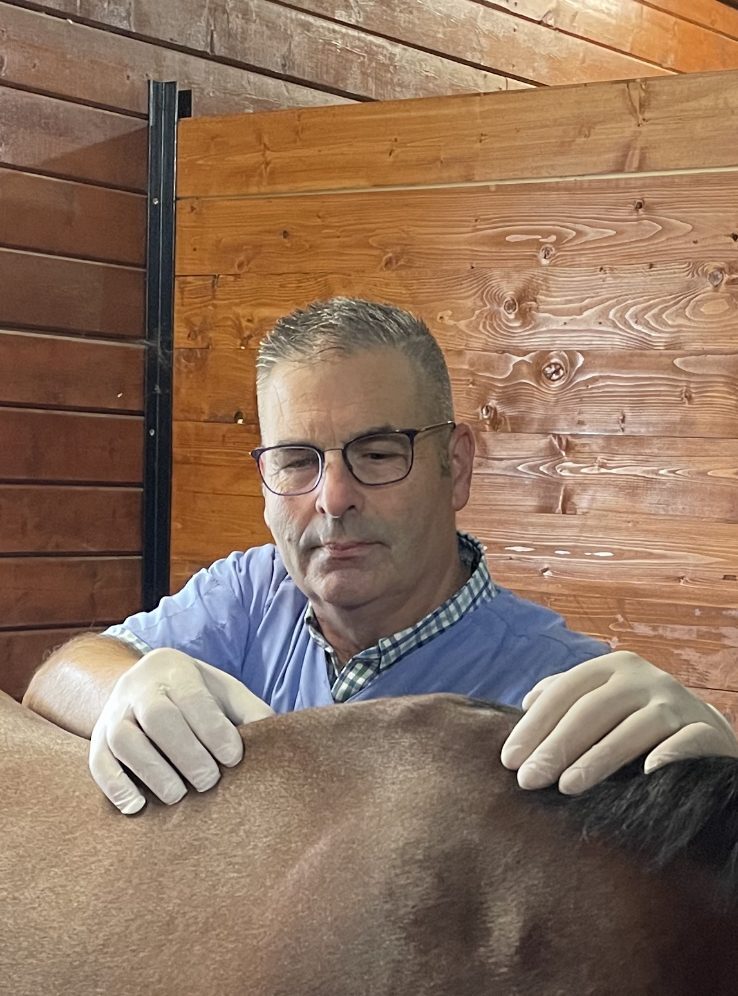
How the TRUFORMA® Point of Care Platform Transformed Diagnostics for Metamora Equine: A Veterinarian’s Perspective 

Veterinary professionals know that time, accuracy, and confidence in diagnostics can directly impact patient outcomes. At Zomedica, our mission is to empower veterinarians with innovative tools that deliver precise, timely insights at the point of care. 

We recently received an outstanding review from Roland Thaler, VMD, DACVSMR, Cert. ISELP, of Metamora Equine PC, who integrated the TRUFORMA® diagnostic platform into his equine veterinary practice. What follows is his real-world perspective on how TRUFORMA’s equine-specific assays—particularly the insulin assay for equine plasma and the endogenous ACTH (eACTH) assay—have elevated his diagnostic capabilities and enhanced clinical decision-making. 

Reliable Diagnostic Accuracy That Builds Clinical Confidence

Dr. Thaler was immediately struck by the exceptional accuracy of the TRUFORMA platform. 

“The device leverages advanced technology to provide precise and reliable results, ensuring that every diagnosis is grounded in confidence.” 

In his practice, this reduction in equivocal results has been a game-changer—enabling faster treatment decisions and ultimately improving patient outcomes. This level of diagnostic confidence has strengthened his trust in point-of-care testing (POCT) and supports his ability to deliver high-quality, informed care. 

Seamless Workflow Integration for Equine Practice

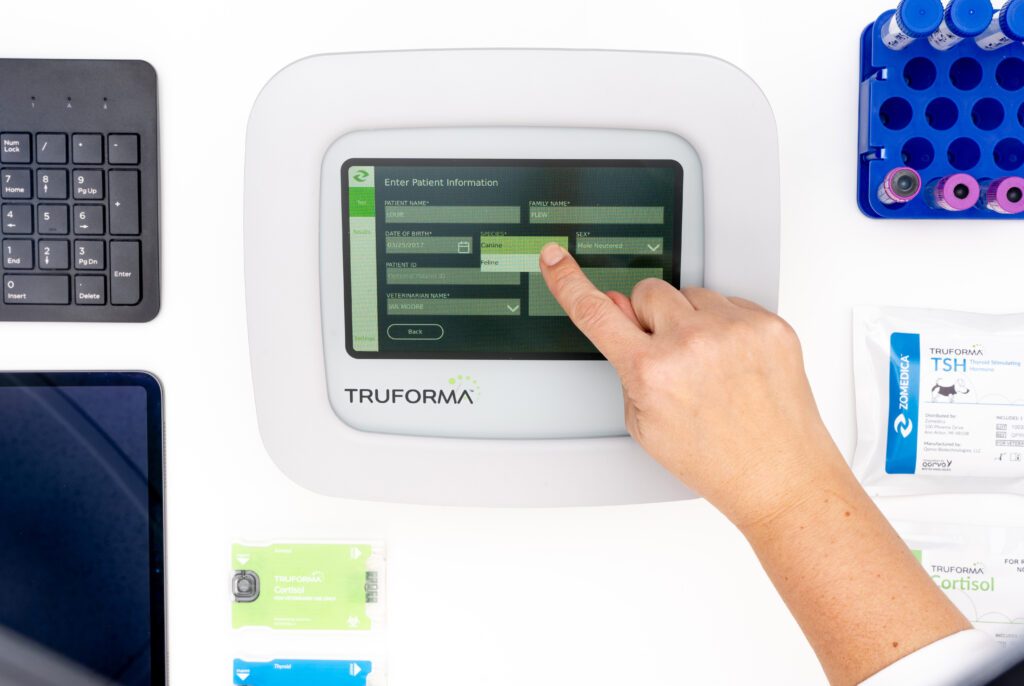
The TRUFORMA device’s intuitive user interface, efficient workflow, and compact design helped it fit seamlessly into Dr. Thaler’s daily operations. 

“The device’s design is both intuitive and elegant. The touchscreen interface and clear step-by-step instructions make the testing process simple.” 

He highlighted the streamlined sample preparation and analysis, which reduce turnaround times and minimize the risk of user error—crucial in busy or mobile veterinary settings. 

“The compact footprint of the TRUFORMA device fits perfectly even in the space-constrained requirements of ambulatory practice.” 

Rapid Results for Faster Treatment Decisions

One of the key advantages of the TRUFORMA device is its ability to deliver accurate diagnostic results in real-time, allowing for quicker interventions and better client communication. 

“This quick turnaround has allowed me to make timely treatment decisions, improving client communication and satisfaction.” 

Especially in equine medicine, where early diagnosis is often essential, Dr. Thaler notes that clients value the immediate answers about their horse’s metabolic health. 

Exceptional Veterinary Support from the Zomedica Team

In addition to the technology, Dr. Thaler emphasized the value of Zomedica’s customer support team: 

“Zomedica’s customer support is another standout feature. Their team is responsive, knowledgeable, and genuinely invested in ensuring that practices get the most out of their TRUFORMA device.” 

A Clear Endorsement from a Veterinary Specialist

After seeing the impact of the TRUFORMA platform firsthand, Dr. Thaler strongly recommends the platform to other veterinary professionals: 

“Zomedica’s TRUFORMA device has exceeded all my expectations. Its combination of precision, innovation, and practicality makes it a game-changer in veterinary diagnostics.” 

“I wholeheartedly recommend the TRUFORMA Diagnostic System to any veterinary professional seeking to elevate their standard of care. It’s an investment that pays dividends in improved diagnostics, client trust, and better patient outcomes.” 

Why Choose the TRUFORMA® Platform for Your Veterinary Practice?

The TRUFORMA platform is a state-of-the-art diagnostic platform designed for in-clinic testing of multiple biomarkers, with assays tailored to the needs of canine, feline, and equine patients. With advanced bulk acoustic wave (BAW) technology, the TRUFORMA device delivers reference laboratory-quality results at the point of care – accurately, quickly and reliably. 

Whether you’re in a clinic or out in the field, the TRUFORMA platform helps veterinary professionals: 

  • Improve diagnostic precision 
  • Streamline workflows 
  • Deliver faster care decisions 
  • Increase client satisfaction 

Ready to See What the TRUFORMA® Platform Can Do for You?

Discover how the TRUFORMA platform can revolutionize diagnostics in your practice. Explore the platform or connect with our team to schedule a demo. 

Blog Banner for Website Content (5)

How TRUFORMA’s Feline-Optimized TSH Test Prevented Unnecessary Treatment

A Case Study by Kristin Marzin, DVM

Accurate thyroid testing is crucial for feline health, but traditional methods can sometimes lead to misdiagnosis. This case study highlights how TRUFORMA’s innovative feline-optimized TSH test played a pivotal role in preventing unnecessary treatment and ensuring proper patient care. 

History and Physical Examination Findings

At the Oregon Veterinary Specialty Hospital’s Feline Radioiodine Center, a neutered 6-year-old male domestic shorthair feline presents with suspected hyperthyroidism. Upon examination, the patient was noted to be overweight, with a body condition score (BCS) of 7/9. They have also gained weight over the past couple of years. While at the time of the first visit the patient is asymptomatic, they have a history of: 

  • Emergency room visit two years prior for hypersalivation, agitation, and polydipsia 
  • Elevated total T4 (5.0 mcg/dl) found at ER visit 
  • Persistent elevation of total T4 in subsequent wellness visits 

The patient’s littermate had the same presentation to the ER and bloodwork also indicated a T4 elevation, but he had additional signs of hyperthyroidism and therefore was treated with methimazole. Considering the mild starting total T4 value, higher doses than expected of methimazole were required to lower the normal range by the primary veterinarian. The littermate was then treated with I131, but there was concern that this may not have been curative, as total T4 improved but remained elevated despite positive clinical response. Scintigraphy is not available in the state of Oregon and could not be pursued for either patient. 

Diagnostic Findings and Interpretation

At the time of the ER visit, the only abnormal lab finding for the patient was elevated total T4 (5.0 mcg/dl, reference range 0.8-4.7 mcg/dl).  

At subsequent visits in the next couple of years, the T4 remained slightly elevated at 4.8 mcg/dl and 4.4 mcg/dl (reference range 0.8-4.0 mcg/dl). At one of these time points (total T4 4.4 mcg/dl), the free T4 measured >100 (reference range 10-50). The patient gained weight and maintained an overweight body condition after the ER visit. At these visits, there were no other significant laboratory findings. 

Thyroid Testing at the Feline Radioiodine Center

On presentation to Dr. Decker, additional thyroid testing was performed.  

  • Total T4 remained elevated at 5.7 mg/dl (reference range 0.8-4.4 mcg/dl).  
  • A feline-optimized TSH performed using the TRUFORMA Diagnostic System was within normal limits at 0.016 ng/ml (reference range 0.01-0.3 ng/ml).  
  • A free T4, T3, and chemiluminescent canine TSH were also all within normal limits.

Expert Interpretation of Feline Thyroid Test Results

With the patient’s lack of clinical signs and all laboratory testing other than total T4 showing normal results, it was suggested that the patient’s elevation in total T4 was either spurious or normal for this patient. Since the patient had such a long history of reliably high total T4 values, Dr. Decker concluded that the elevation in T4 was likely a normal variation for this patient, and he was not diagnosed as hyperthyroid. Since the patient’s littermate had exhibited similar lab work and did not respond well to medical management for hyperthyroidism, it was suggested that this could be an inherited anomaly. 

Treatment and Outcome

No treatment was initiated for this patient. Dr. Decker recommended the patient return for routine thyroid monitoring every 6-12 months, or sooner if clinical signs develop. Thyroid monitoring tests would include a total T4, feline-optimized TSH, T3, and free T4.  

“It is important to treat the cat and not just the number, but be sure you are getting the best numbers possible,” Dr. Decker stated upon conclusion of this case. This can be achieved by thorough thyroid testing, which should include TRUFORMA’s feline-optimized TSH assay. 

Reflecting on a Complex Thyroid Case

This case shows the importance of thyroid testing in cats beyond just a total T4. Initiating therapy for hyperthyroidism in this case could have had potentially dangerous effects for the patient since he is not truly hyperthyroid. A feline-optimized TSH, only able to be performed on the TRUFORMA system, helped Dr. Decker reach the appropriate diagnosis and clinical decision for this patient, and will allow her to monitor him closely in the event he truly becomes hyperthyroid.  

shutterstock_760342282@2x-scaled

Revolutionizing Feline Thyroid Care: The Importance of the TRUFORMA® Exclusive TSH Test for Cats

Hyperthyroidism in cats can be one of the simpler diagnoses made by veterinarians. When a geriatric cat is showing signs of weight loss, increased appetite, and hyperactivity, the veterinarian simply needs to test for elevated T4 levels to confirm that the patient is hyperthyroid. But what happens when the disease is not as straightforward?  

Understanding Feline Hyperthyroidism

It is common for older cats to have concurrent illnesses such as renal disease, cancer, or enteropathy. Non-thyroidal illness can also artificially decrease T4 levels. In fact, 10% of hyperthyroid cats and more than 30% of cats with early thyroid disease will have a normal T4.  In these cases, further diagnostics should be performed to obtain a definitive diagnosis. 

The Role of TSH in Thyroid Diagnostics

TSH is the most utilized hormone for diagnosis of thyroid disease in humans but is not as widely performed in veterinary medicine. However, this hormone can give us a lot of information about the status of thyroid function. Due to the negative feedback mechanism of the body, decreased concentrations of TSH indicate that there is an excess of circulating thyroid hormone. Theoretically, TSH could be a great confirmatory test for hyperthyroidism in cats, because it allows us to look at the function of the feedback loop. Historically, the only option for testing TSH has been a chemiluminescent canine assay that can only measure TSH values as low as 0.03 ng/mL. Studies have shown that while cats with undetectable TSH are more likely to be diagnosed as hyperthyroid within a couple years, there are some normal cats with TSH levels lower than 0.03 ng/mL. Therefore, current TSH testing lacks some specificity for diagnosing the disease.

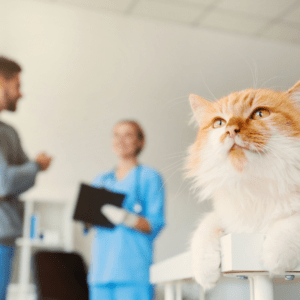
Cat watching vet

Feline-Optimized TSH Enhances Patient Care

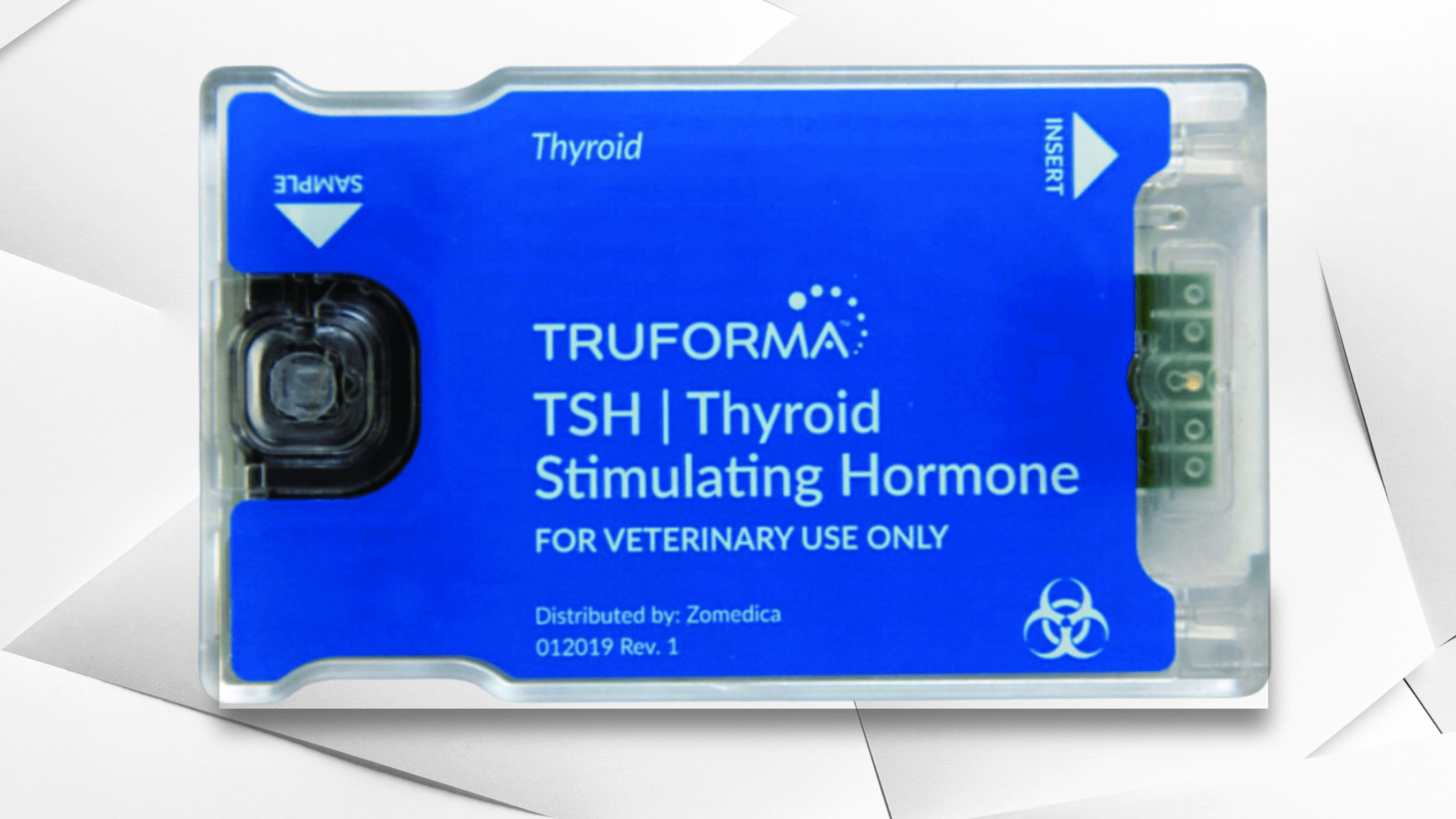
The TRUFORMA In-Clinic Biosensor Testing Platform offers the first and only feline-optimized TSH, changing how we can diagnose and monitor thyroid disease in cats. Using Bulk Acoustic Wave (BAW) technology, TRUFORMA’s feline optimized TSH assay achieves a lower limit of quantification (LLOQ) far below the chemiluminescent assay, at 0.008 ng/mL. This makes TRUFORMA’s assaymore sensitive and specific for diagnosis of hyperthyroidism and thus allows veterinarians to better distinguish between normal cats and hyperthyroid cats. In cats with borderline elevated or high-normal T4 levels due to non-thyroidal illness or early disease, feline-optimized TSH is an excellent confirmatory test. 

Validating TRUFORMA's Feline-Optimized TSH Assay

A 2024 study performed by Dr. Mark Peterson, a leading veterinary endocrinology specialist, validates and compares the TRUFORMA feline-optimized TSH assay to the traditional chemiluminescent method used at reference laboratories. It found that because of the very low values that the TRUFORMA assay can detect, veterinarians can diagnose hyperthyroidism earlier in the disease process as well as in cases of subclinical disease. This can lead to the patient receiving treatment sooner, before much of the damage to other body systems occurs. 

Screening and Early Detection

TRUFORMA’s feline-optimized TSH assay can also be used as a routine screening test for geriatric felines, the same way we often screen for T4 in these patients. One study found that TSH levels less than 0.03 ng/ml were associated with an increased likelihood of hyperthyroid diagnosis within 14 months. This suggests the assay can be used as a biomarker to determine future risk of disease. 

Monitoring Hyperthyroidism Using Feline-Optimized TSH

Screening for and definitively diagnosing hyperthyroidism are not the only utilizations of the TRUFORMA TSH assay. Cats undergoing treatment for hyperthyroidism are at risk of developing iatrogenic hypothyroidism, which can cause a decline in renal function. An elevated TSH in these patients indicates that circulating thyroid hormone levels are too low, and a dosage adjustment or hormone supplementation is needed. 

Treating Hyperthyroidism Using Feline-Optimized TSH and Radioactive Iodine

It has also been suggested that TSH testing should be performed prior to administration of radioactive iodine as a treatment for hyperthyroidism. TSH levels greater than 0.03 ng/ml can indicate that the patient is more at risk of developing iatrogenic hypothyroidism after I131 therapy. It is recommended to wait to treat these patients until TSH levels have decreased below 0.03 ng/ml. If that is not possible, they should receive a lower dose of I131.

The Future is Bright with TRUFORMA’s Feline-Optimized TSH Assay

Every veterinarian has heard the adage “cats are not small dogs”. Having access to TRUFORMA’s feline-optimized TSH assay gives vets a better way to screen, diagnose, and monitor cats with hyperthyroidism – the most common endocrinopathy of the feline population. By diagnosing these patients sooner and being able to monitor their therapy closer, we can improve the quality of life for cats and their owners. 

feline hyperthyroidism

How TRUFORMA Improves Feline Hyperthyroidism Detection: A Game-Changer for Veterinary Diagnostics

Feline hyperthyroidism is a common endocrine disorder in cats, but diagnosing it accurately has often been a challenge. Traditionally, testing methods for feline hyperthyroidism relied on canine reference ranges, which may not provide precise results for our feline friends. However, with the advent of TRUFORMA, a cutting-edge diagnostic system, veterinarians now have access to the first and only feline-optimized TSH assay, a game-changer in the diagnosis of this condition.

Understanding Feline Hyperthyroidism

Feline hyperthyroidism is a condition characterized by the overproduction of thyroid hormones, primarily thyroxine (T4), by the thyroid gland. This excess of thyroid hormones can lead to a range of symptoms including weight loss, increased appetite, restlessness, and hyperactivity. It is crucial to diagnose hyperthyroidism accurately and early, as untreated cases can lead to severe complications, including heart disease and kidney problems.

The History of Feline Hyperthyroidism Testing

The history of diagnosing feline hyperthyroidism has not been without its challenges. Many traditional tests were designed using canine reference ranges, which are not always applicable to cats. This can result in inaccurate diagnoses and unnecessary confusion for veterinarians. The need for a more precise and cat-specific approach has been a long-standing concern.

TRUFORMA: A New Era in Feline Hyperthyroidism Diagnosis

TRUFORMA is a diagnostic platform that leverages bulk acoustic wave (BAW) sensor technology to provide highly precise and sensitive measurements, surpassing the capabilities of optical-based diagnostic methods. This innovative system is changing the game in diagnosing complex thyroid and adrenal conditions.

The Feline-Optimized TSH Assay

One of TRUFORMA’s standout features is its feline optimized TSH assay, which has transformed the diagnosis of feline hyperthyroidism. Here’s why this assay is a game-changer:

Early Detection: With TRUFORMA, veterinarians can proactively create a thyroid profile in healthy adult cats between 5-8 years of age, making it easier to spot the onset of hyperthyroidism.

Diagnosing Earlier: TRUFORMA can identify early to mild hyperthyroidism in 10-40% of cats that may have normal T4 levels, allowing for swifter intervention and better outcomes.

Iatrogenic Hypothyroidism (IH) Monitoring: TRUFORMA’s TSH assay excels at differentiating iatrogenic hypothyroidism (a condition caused by treatment) from chronic kidney disease (CKD), even in cases where age and non-thyroidal illness do not affect TSH levels.

Wide Dynamic Range: The feline optimized TSH assay accurately measures the very low normal concentrations expected for cats, a range that other commercial TSH assays may not capture, ensuring a more precise diagnosis.

A More Confident Diagnosis

With TRUFORMA’s feline optimized TSH assay, veterinarians can diagnose feline hyperthyroidism with confidence and accuracy. This breakthrough technology, combined with the convenience of in-clinic testing, empowers veterinarians to provide the best care for their feline patients.

TRUFORMA’s feline optimized TSH assay is a significant milestone in the diagnosis of feline hyperthyroidism. It not only allows for earlier detection but also ensures a more accurate and cat-specific approach to testing. With this innovative technology at their disposal, veterinarians can confidently and efficiently diagnose feline hyperthyroidism, improving the health and well-being of their feline patients.