
logotype

Category: Post-Op

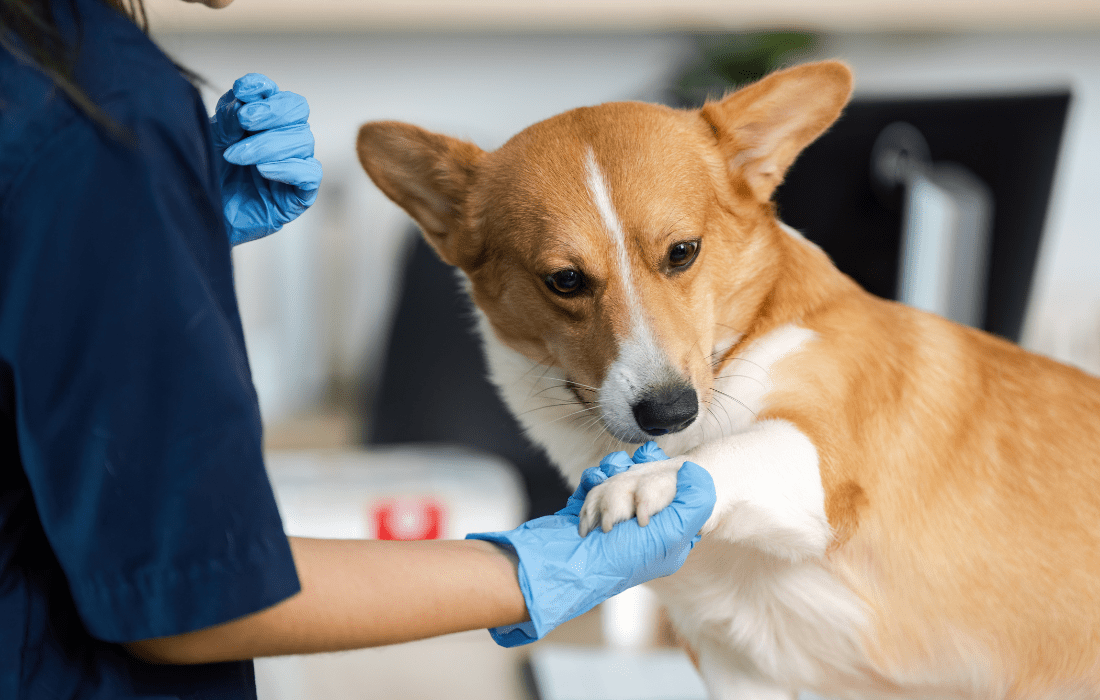
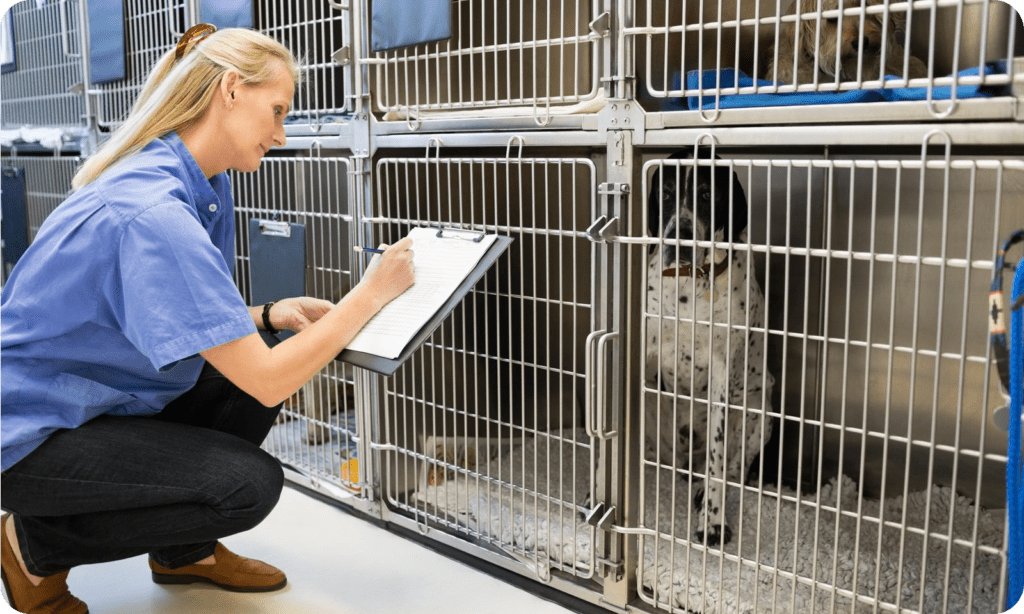
Veterinarian Examining Beagle in Veterinary Clinic Setting

How Contactless Monitoring Technology is Transforming Veterinary Care 

Veterinary medicine is embracing innovation at an unprecedented pace, and one of the most transformative technologies to emerge is contactless vital signs monitoring. Traditionally, measuring heart rate, respiratory rate, and temperature requires physical contact—often causing stress for pets and consuming valuable time for veterinary teams. Contactless monitoring changes this dynamic by enabling accurate, noninvasive measurement of vital signs without touching the animal. This advancement is revolutionizing patient care, improving efficiency, and enhancing the overall veterinary experience. 


The stress-reduction benefits of contactless monitoring extend across all companion animal species. Cats, which often experience significant stress from restraint and handling in clinical settings, benefit particularly from monitoring methods that don’t require direct contact. Exotic pets—including rabbits, birds, and reptiles—can be monitored more safely without the risks associated with manual restraint of fragile or easily stressed species. Even cooperative canine patients benefit from the streamlined workflow that contactless systems provide during routine wellness examinations.

What is Contactless Monitoring for Veterinary Patients?

Contactless monitoring uses advanced sensors and imaging technologies to measure physiological parameters without direct physical interaction.  Methods include: 

  • Thermal imaging: Detect body temperature through heat signatures 
  • Radar and LiDAR sensors: Measure micromovements associated with breathing and heart rate 
  • Computer vision and AI: Analyze subtle changes in body posture, chest movement, and facial cues to interpret animal status 

 These contactless monitoring systems vary in complexity and application. Some platforms offer real-time continuous surveillance suitable for intensive care units and recovery areas, while others provide on-demand vital signs collection during routine examinations. The technology can be adapted to different clinical environments—from traditional exam rooms to isolation wards where minimizing staff entry is critical. As these systems become more sophisticated, they’re increasingly capable of monitoring multiple patients simultaneously, making them practical even for busy multi-doctor practices. 

Clinical Benefits of Contactless Monitoring in Veterinary Practice

Animals often experience stress during veterinary visits, which can skew vital signs and complicate diagnosis. Contactless monitoring helps address these challenges by: 

  • Reducing stress caused by restraint or invasive probes 
  • Improving accuracy by capturing data while patients remain calm 
  • Enhancing safety by minimizing the risk of injury to staff and patients 
  • Saving valuable time by streamlining clinical workflows 

This technology proves particularly valuable for feline patients, exotic species, and any animals that become aggressive or fearful when handled. Traditional vital signs collection often requires multiple staff members to restrain anxious patients, which can elevate heart rate and respiratory rate—the very parameters being measured. Contactless systems eliminate this paradox by allowing animals to remain in a relatively calm state during data collection. For veterinary technicians and assistants who face injury risk from fractious patients, contactless monitoring also represents a meaningful safety improvement that can reduce workplace injuries and associated costs. 

The benefits extend beyond the clinic, improving the overall experience for pet owners while supporting better patient outcomes, early detection of health concerns, and improved operational efficiency for veterinary teams. 

Practical Applications of Contactless Monitoring Technology

There are several clinical applications for contactless monitoring in veterinary settings. Postsurgical recovery and critical care patients, in particular, can benefit from more frequent or continuous vital signs monitoring without disruption. Isolation wards offer another valuable use case, with the potential to reduce staff exposure and lower PPE costs. Overnight monitoring—especially in rural or understaffed clinics—can be enhanced through imaging-based systems and smart device alerts that provide peace of mind and rapid response capabilities. 

In post-surgical settings, contactless monitoring technology allows veterinary teams to track recovery patterns without repeatedly disturbing anesthetized or painful patients. Animals recovering from procedures can rest undisturbed while staff receive continuous or interval updates on vital signs, enabling early detection of complications like hypothermia, respiratory depression, or emerging cardiovascular concerns. This hands-off approach is especially beneficial for orthopedic surgery patients where minimizing movement during initial recovery is critical. 

For isolation ward applications, the technology offers dual benefits: protecting staff from infectious disease exposure while ensuring patients receive adequate monitoring despite limited direct contact. During disease outbreaks or when managing highly contagious cases, contactless systems enable vital signs collection without the time, expense, and environmental impact of repeatedly donning and doffing protective equipment. Emergency and specialty hospitals managing infectious disease cases have found this capability particularly valuable for maintaining both biosecurity protocols and high standards of patient monitoring. 

Implementation Considerations for Veterinary Practices

While promising, contactless monitoring does come with practical considerations that veterinary practices should evaluate before implementation: 

  • Cost and accessibility: Advanced sensors may represent a significant initial investment. Practices need to assess how these systems will integrate with existing practice management software and medical records platforms, which may require additional technical infrastructure or IT support. 
  • Training requirements: Practices need to assess how these systems will integrate with existing practice management software and medical records platforms, which may require additional technical infrastructure or IT support. 
  • Environmental factors: Lighting conditions, patient movement, and positioning can impact readings. Certain patients may present additional challenges—heavily coated breeds, very small animals, or patients with specific coat colors can sometimes interfere with sensor readings. For these reasons, practices should maintain traditional monitoring capabilities as backup methods when contactless systems may not provide reliable data. 

The Future of Contactless Veterinary Monitoring Technology

Despite these challenges, contactless vital signs monitoring represents far more than convenience—it is a meaningful leap forward in veterinary care. By reducing stress, improving accuracy, and enabling proactive health management, this technology strengthens the human-animal bond and elevates the standard of care. As adoption continues to grow, veterinarians who embrace these tools will be well positioned to lead the future of compassionate, efficient, and cutting-edge medicine. 


©2026 Zomedica Inc. All rights reserved. 
Corgi at vet

Modern vs Traditional Hemostatic Agents: Which Works Best for Your Veterinary Practice?

Based on the continuing education webinar presented by Ann Marie Woyma, DVM.*  

Surgical bleeding remains one of the most significant challenges facing veterinary practitioners. Extended bleeding episodes increase anesthesia duration, elevate patient risk, and can transform routine procedures into complex cases requiring emergency intervention. 

Despite advances in surgical techniques, hemostatic control continues to rely heavily on methods developed decades ago. Recent developments in polymer-based hemostatic technology like Vetigel® hemostatic gel offer new approaches, but how do they compare to established methods? 

How Do Traditional and Modern Hemostatic Agents Work?

Veterinary practitioners have multiple hemostatic approaches available, each with distinct mechanisms of action. Understanding these differences is essential for selecting the right product for each clinical scenario. 

Traditional Matrix-Based Hemostatic Agents

Cellulose-based products, gelatin sponges, and collagen matrices provide scaffolding for natural clot formation through the patient’s coagulation cascade. 

Advantages: Well-established safety profile, cost-effective for routine procedures, familiar to most practitioners 

Limitations: Requires direct blood contact for activation, integrates with patient’s clot (removal disrupts hemostasis), variable effectiveness with high-pressure bleeding, can impair surgical visualization 

Modern Polymer-Based Hemostatic Technology

Plant-based polymers like Vetigel hemostatic gel create mechanical barriers through ionic crosslinking, independent of natural clotting mechanisms. 

Advantages: Immediate hemostatic effect regardless of patient coagulation status, non-integrating (removable without disturbing hemostasis), effective against high-pressure arterial bleeding, maintains clear surgical field 

Limitations: Higher cost per application, requires specific application technique, limited long-term comparative studies 

Clinical Evidence: A study comparing polymer-based agents like the Vetigel product showed 94% immediate hemostasis rates compared to 67% for traditional matrix agents in high-pressure bleeding scenarios. 

Which Hemostatic Agent Should You Choose for Different Species?

Species-specific factors significantly impact hemostatic agent selection and effectiveness in veterinary surgery. 

Canine Surgical Bleeding Control

Dogs tolerate most hemostatic agents well, but patient size impacts cost-effectiveness. Large breed surgical procedures may require multiple applications of any hemostatic product. 

Feline Surgical Considerations

Cats show particular sensitivity to prolonged anesthesia, making rapid hemostasis especially critical. Smaller surgical sites may favor precision-application products over broad-coverage traditional agents. 

Exotic Animal Hemostasis

Limited research exists on hemostatic agent safety in exotic species. Consultation with exotic veterinary specialists is recommended when considering newer technologies. 

What Are the Best Hemostatic Agents for Common Veterinary Procedures?

Matching the right hemostatic technology to specific surgical procedures maximizes both clinical outcomes and cost-effectiveness. 

Enucleation Surgery Bleeding Control

Clinical Comparison: Average procedure time with traditional methods (45-60 minutes) versus Vetigel hemostatic gel polymer technology (35-45 minutes). Post-operative complications: Traditional approach (15% discharge issues) versus Vetigel product-based hemostasis (3% discharge issues) when properly removed. 

Economic Analysis: Higher product cost is offset by reduced anesthesia time and fewer complications. 

Dental Extraction Bleeding Control

Extraction sites in highly vascular oral tissue present difficult access for traditional ligation. Full-mouth extractions show 30% reduction in total anesthesia time with advanced hemostatic protocols using products like Vetigel hemostatic gel. 

Mass Removal and Soft Tissue Surgery

Small masses: Traditional methods often sufficient Large masses/mastectomies: Advanced agents like Vetigel hemostatic gel provide better coverage Vascular masses: The Vetigel product shows superior high-pressure bleeding control. 

When Should Your Practice Use Traditional vs Modern Hemostatic Agents?

Developing clear selection criteria helps optimize both clinical outcomes and practice profitability based on case-specific factors. 

When Traditional Methods Remain Optimal:

  • Routine procedures with minimal bleeding expected 
  • Cost-sensitive cases where bleeding is easily controlled 

When Advanced Technology Provides Value:

  • High-risk patients who cannot tolerate blood loss 
  • Procedures with historically difficult hemostatic control 
  • Emergency situations requiring immediate bleeding cessation 
  • Cases where surgical visualization is critical
  • Coagulopathic patients or those on anticoagulants

Products like Vetigel hemostatic gel excel in these scenarios due to their coagulation-independent mechanism and rapid action.  

Economic Considerations by Practice Type:

  • High-Volume/Low-Cost Practices: Traditional agents for routine cases, Vetigel hemostatic gel for complications
  • Specialty Practices: The Vetigel product as standard for complex procedures
  • Emergency Clinics: Stock both options based on case severity assessment 

How to Successfully Integrate Modern Hemostatic Agents into Your Practice

Transitioning to advanced hemostatic technology requires systematic implementation rather than wholesale practice changes. This phased approach maximizes success while controlling costs. 

Phase 1: Assessment (Months 1-2)

Audit current hemostatic challenges in your practice. Calculate true cost of extended procedures due to bleeding complications. Identify 2-3 procedure types for initial trial. 

Phase 2: Selective Implementation (Months 3-6)

Train team on proper application techniques for Vetigel hemostatic gel. Use advanced products for pre-identified challenging cases. Document outcomes and time savings. 

Phase 3: Protocol Development (Months 6-12)

Establish clear criteria for product selection. Develop cost-effective protocols based on case type. Train entire surgical team on decision matrix. 

What Clinical Evidence Should Guide Your Decisions?

Evidence-based hemostatic agent selection requires tracking specific metrics in your own practice to inform product decisions. 

Track These Clinical Efficacy Metrics:

  • Time to hemostasis achievement 
  • Total surgical duration 
  • Post-operative bleeding complications 
  • Patient recovery indicators 

Assess Economic Impact:

  • Product cost per procedure 
  • Anesthesia time savings value 
  • Complication reduction cost benefit 
  • Overall procedure profitability impact 

Real-World Results: Multi-Modal Approach Case Study

A 1,200-case veterinary facility implemented a tiered hemostatic protocol: 

Protocol: Routine procedures used traditional matrix agents, complex/high-risk cases used Vetigel hemostatic gel polymer technology, emergency bleeding received immediate Vetigel product deployment. 

Results After 12 Months: 23% reduction in average surgical time for complex cases, 67% decrease in post-operative bleeding complications, 15% improvement in surgical suite efficiency, positive ROI achieved within 8 months. 

Making Smart Hemostatic Decisions for Your Practice

Modern hemostatic technology offers genuine advantages for specific clinical scenarios, but success requires thoughtful integration rather than wholesale replacement of established methods. The key lies in matching the right technology to the right clinical situation while considering both medical and economic factors. 

Practices that develop systematic approaches to hemostatic product selection report improved surgical efficiency, reduced complications, and enhanced team confidence in managing bleeding challenges. 

Ready to optimize surgical bleeding control in your practice?

Contact us to learn more about implementing evidence-based hemostatic protocols. 

 *Dr. Wyoma was paid by Zomedica, Inc. for presenting this webinar. Watch the full presentation here.

© 2025 Zomedica Inc. All rights reserved.

Vetigel is a registered trademark of Cresilon, Inc. 

Blog Banner for Website Content (16)

Revolutionizing Veterinary Care: The Power of Continuous Vital Signs Monitoring

Post-operative monitoring represents one of the highest-risk periods in veterinary medicine, with up to 47% of anesthetic-related deaths in dogs and 60% in cats occurring during recovery. Traditional intermittent monitoring methods leave dangerous gaps in patient surveillance, particularly during the critical first three hours post-surgery. The VETGuardian® monitoring system revolutionizes veterinary patient care through continuous, non-contact vital signs monitoring that enhances safety while reducing staff workload. 

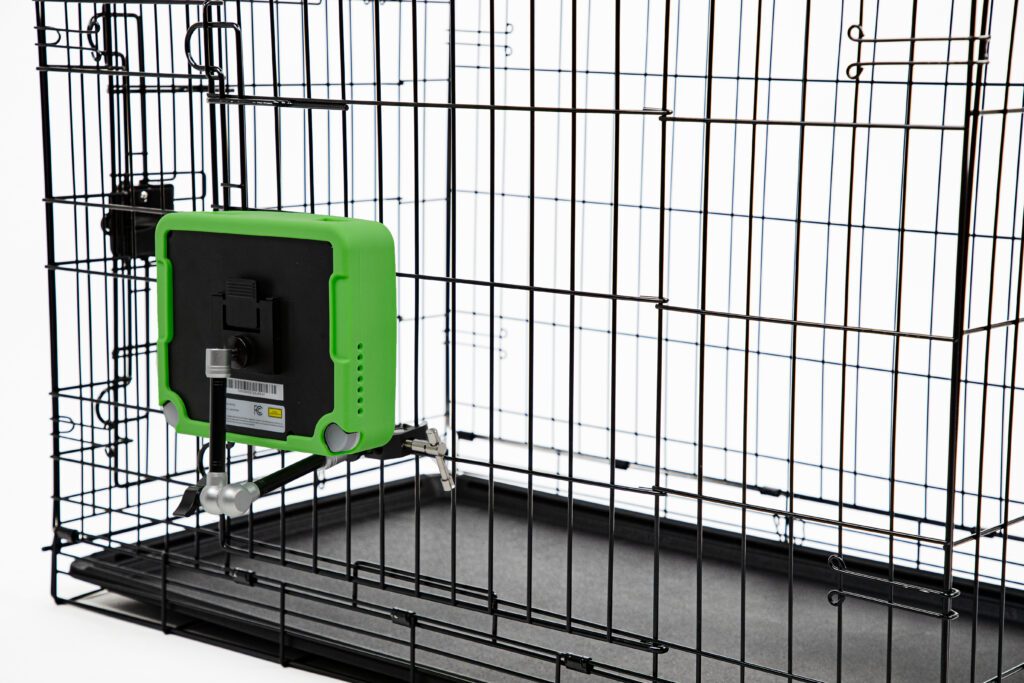
VETGuardianImage2-2

The Critical Gap in Post-Operative Veterinary Monitoring

The transition from anesthesia to recovery creates a dangerous window of vulnerability. Despite consistent monitoring during surgical procedures, the recovery period is frequently marked by reduced vigilance and intermittent observation schedules. 

Alarming Statistics: 

  • 47% of anesthetic-related deaths in dogs occur postoperatively 
  • 60% of anesthetic-related deaths in cats happen during recovery 
  • First three hours represent the highest-risk period 
  • 10-15 minute monitoring intervals leave significant data gaps 

Clinical Reality: Vital signs are dynamic indicators of health, and sudden changes may signal infection, hemorrhage, shock, or adverse treatment reactions. Traditional spot-checking methods simply cannot capture the real-time changes needed for optimal patient safety. 

Professional Guidelines Supporting Continuous Monitoring

American Animal Hospital Association (AAHA) 2020 Guidelines advocate for uninterrupted observation to promptly address complications during the recovery phase. 

American College of Veterinary Anesthesiologists (ACVA) 2025 Guidelines reinforce the need for continuous monitoring throughout recovery, emphasizing critical parameters including: 

  • Heart rate (HR) monitoring 
  • Respiratory rate (RR) assessment 
  • Oxygen saturation (SpO₂) tracking 
  • Blood pressure (BP) measurement 
  • Temperature monitoring 

Limitations of Traditional Veterinary Monitoring Methods

Current methods for measuring vital signs require physical contact and manual effort, creating multiple problems for veterinary practices: 

Temperature Monitoring Issues: 

  • Rectal thermometers require handling and stress patients 
  • Aural devices need patient cooperation and proper positioning 
  • Contact methods interrupt rest periods essential for recovery 

Respiratory Rate Assessment Problems: 

  • Visual observation is subjective and intermittent 
  • Capnography requires intubation and equipment attachment 
  • Manual counting interrupts patient rest and recovery 

Pulse Monitoring Limitations: 

  • Stethoscope assessment requires trained staff availability 
  • Telemetry systems use leads that can fall off or tangle 
  • Palpation methods stress patients and provide only snapshot data 

Patient Safety and Workflow Issues

Equipment-Related Risks: 

  • Leads and attachments can be chewed or tangled 
  • Device malfunction creates safety hazards 
  • Patient movement can dislodge monitoring equipment 
  • Staff injury risk from fractious patients during handling 

Staffing and Efficiency Challenges: 

  • 10-15 minute monitoring intervals require constant staff attention 
  • Manual data recording increases documentation time 
  • Night shift monitoring often has reduced staffing levels 
  • Critical gaps occur during shift changes and emergencies 

Advanced Technology: The VETGuardian® Monitoring System

The VETGuardian device represents a breakthrough in veterinary patient monitoring, utilizing advanced sensor fusion technology to provide continuous vital signs monitoring without patient contact. 

Core Technology Components: 

  • Continuous Wave Doppler Radar: Detects heart and lung activity through non-contact signal acquisition 
  • Infrared Thermography: Radiation-free surface temperature detection for inflammation monitoring
  • LiDAR Technology: Uses pulsed lasers for precise motion detection unaffected by lighting conditions 
  • RGB Camera Integration: Provides 24/7 video monitoring for behavioral assessment 
  • Artificial Intelligence: Real-time data analysis and pattern recognition 

VETGuardian System Capabilities

Vital Signs Monitoring: 

  • Heart rate tracking every five minutes with continuous assessment 
  • Respiratory rate monitoring through non-contact signal detection 
  • Temperature measurement via infrared thermography technology 
  • Activity level assessment through motion detection algorithms 

Advanced Features: 

  • Smartphone accessibility for remote monitoring capabilities 
  • Multi-device compatibility with laptops and computer systems 
  • Real-time data collection eliminates monitoring gaps 
  • Automated documentation reduces manual recording requirements 

Evidence-Based Benefits of Continuous Monitoring

Human Medicine Validation: The TRaCINg feasibility trial demonstrated that patients receiving continuous remote monitoring experienced: 

  • Fewer unplanned critical care admissions 
  • Shorter hospital stays compared to intermittent monitoring 
  • Earlier intervention for developing complications 

Veterinary Medicine Evidence: A 2023 validation study of the VETGuardian device showed equal or superior accuracy compared to traditional contact monitoring devices, reinforcing the value of non-invasive continuous monitoring in veterinary patients. 

Anesthesia Patient Safety Foundation (APSF) Conclusions: Professional analysis concluded that spot checks are inadequate for patient safety, advocating for continuous electronic monitoring to improve outcomes, especially for patients receiving postoperative medications. 

Clinical Benefits for Veterinary Practices

Patient Safety Improvements: 

  • Real-time distress detection enables immediate intervention 
  • Early deterioration identification prevents critical complications 
  • Reduced handling stress improves patient comfort and recovery 
  • Continuous surveillance eliminates dangerous monitoring gaps 

Practice Efficiency Enhancements: 

  • Automated data collection reduces staff workload 
  • Remote access capability enables off-site monitoring 
  • Reduced bite risk with fractious patients through contactless monitoring 
  • Staff time optimization for other critical care activities 

Quality of Care Advancement: 

  • Increased monitoring accuracy minimizes human error 
  • Personalized care protocols based on continuous data trends 
  • Improved treatment efficacy through timely intervention 
  • Enhanced client confidence in advanced care capabilities 

Implementation Benefits for Veterinary Practices

Staffing Efficiency: The VETGuardian® monitoring system eliminates the need for constant physical patient checks, allowing staff to focus on other critical care activities while maintaining comprehensive patient surveillance. 

Overnight Monitoring Solutions: Particularly valuable for overnight stays and isolation ward patients, the system provides continuous monitoring without requiring constant staff presence, improving both patient care and operational efficiency. 

Risk Reduction: 

  • Eliminates wake-up effect from frequent patient handling 
  • Reduces staff injury risk from aggressive or fearful patients 
  • Prevents equipment displacement through contactless monitoring 
  • Minimizes cross-contamination in isolation situations 

The Future of Veterinary Patient Monitoring

Emerging Technology Trends 

Artificial Intelligence Integration: Advanced AI algorithms continue improving pattern recognition and predictive capabilities, enabling earlier intervention and more precise patient assessment. 

Sensor Technology Advancement: Next-generation sensors provide even greater accuracy and expanded monitoring parameters while maintaining the non-contact advantages of current systems. 

Connectivity and Integration: Enhanced integration with practice management systems and electronic medical records streamlines documentation and improves workflow efficiency. 

Professional Standards Evolution 

Guideline Development: Professional organizations increasingly emphasize continuous monitoring standards, making advanced systems like VETGuardian device essential for maintaining best practice compliance. 

Accreditation Requirements: Hospital accreditation programs may soon require continuous monitoring capabilities for certain patient categories, making early adoption strategically advantageous. 

Taking Action: Transform Your Practice Monitoring Capabilities

Why Choose the VETGuardian Monitoring System 

Proven Technology Advantages:

✓ Non-contact monitoring eliminates patient stress and handling risks 
✓ Continuous data collection provides comprehensive patient surveillance 
✓
Advanced sensor fusion delivers superior accuracy and reliability 
✓ Remote accessibility enables monitoring from any location 
✓ Professional validation through peer-reviewed research studies 
✓ Easy integration with existing practice workflows 
✓ Comprehensive training and ongoing technical support 
✓ Competitive differentiation through advanced care capabilities 

Ready to Enhance Your Patient Monitoring Standards?

Don’t let traditional monitoring gaps compromise patient safety during critical recovery periods. Join progressive veterinary practices implementing continuous monitoring technology for superior patient outcomes and practice efficiency. 

© 2025 Zomedica, Inc. All rights reserved. 
Blog Banner for Website Content (15)

Veterinary Monitoring Equipment for BOAS Surgery: Post-Operative Care Solutions 

Based on clinical insights from Dr. Shadi Ireifej’s webinar on Brachycephalic Airway Syndrome* 

Brachycephalic obstructive airway syndrome (BOAS) affects up to 100% of certain flat-faced dog breeds, making post-operative monitoring critical for successful outcomes. With complication rates ranging from 0-29.5%, veterinary practices need advanced monitoring solutions to detect respiratory distress early and prevent life-threatening complications. The VETGuardian® remote monitoring system is transforming how veterinary professionals manage these challenging respiratory cases. 

VETGuardianImage2-2

Understanding BOAS: A Complex Veterinary Challenge

Canine brachycephalic obstructive airway syndrome represents multiple anatomical abnormalities requiring specialized post-surgical monitoring protocols. This multifaceted condition demands continuous respiratory assessment to ensure optimal recovery outcomes. 

Primary BOAS Conditions Requiring Monitoring

Upper Airway Abnormalities: 

  • Elongated soft palate: 62-100% incidence rate 
  • Stenotic nares: Affects 17-94% of brachycephalic dogs 
  • Hypoplastic trachea: Present in 11-46% of cases 
  • Nasopharyngeal stenosis: Nasal turbinate abnormalities in 20-100% 

Secondary Complications: 

  • Everted laryngeal saccules: Develops in 39-87% of patients 
  • Laryngeal collapse: Progressive condition affecting up to 53% 
  • Everted tonsils: Occurs in 5-56% of cases 

These interconnected abnormalities create a cascade of breathing difficulties that require precise post-operative respiratory monitoring to prevent life-threatening complications. 

Post-Surgical Monitoring Challenges in BOAS Cases

Complex Anatomical Considerations 

Brachycephalic breeds present unique monitoring challenges due to their distinctive anatomy: 

Structural Abnormalities Affecting Monitoring: 

  • Shortened skull length with wider configuration 
  • Smaller glottic index and elliptical larynx shape 
  • Reduced nasopharynx dimensions 
  • Longer, thicker soft palate positioned more caudally 
  • Macroglossia (enlarged tongue) 
  • Decreased buccal opening 

Breathing Pattern Complications: 

  • Slow inspirations with rapid expiratory phases 
  • Open mouth breathing dependency 
  • Increased respiratory noise generation 
  • Temperature regulation difficulties 

Post-Surgical Respiratory Risks

BOAS surgery recovery presents specific monitoring challenges that require continuous assessment: 

Immediate Complications (0-29.5% incidence): 

  • Laryngeal swelling and inflammation 
  • Noncardiogenic pulmonary edema 
  • Bronchopneumonia development 
  • Respiratory distress episodes 
  • Hemorrhage and incisional dehiscence 
  • Voice changes and regurgitation 

Critical Monitoring Parameters: 

  • Respiratory rate patterns and effort assessment 
  • Temperature regulation monitoring 
  • Activity level and exercise tolerance 
  • Pain indicators affecting breathing patterns 

Traditional Veterinary Monitoring Limitations

Manual Assessment Challenges 

Stress-Induced Complications: Traditional hands-on monitoring can exacerbate breathing difficulties in BOAS patients who are already compromised by: 

  • Increased anxiety from frequent handling 
  • Elevated respiratory rates during examination 
  • Temperature elevation from stress 
  • Potential for respiratory crisis during restraint 

Intermittent Data Collection Issues: 

  • Spot-checking limitations: Brief assessments miss breathing pattern changes 
  • Subjective interpretations: Manual monitoring varies between staff members 
  • Sleep disruption: Essential rest periods interrupted for vital sign checks 
  • Documentation gaps: Inconsistent recording of respiratory parameters 

Staffing Resource Constraints: Many veterinary practices struggle with 24/7 monitoring capabilities, creating dangerous gaps during critical recovery periods when respiratory complications often develop. 

Advanced Solutions: The VETGuardian Monitoring System

Telediagnostics is a rapidly emerging and powerful tool evolving in the veterinary space. The VETGuardian telediagnostic device by Zomedica addresses BOAS-specific challenges with continuous monitoring capabilities designed for respiratory assessment. 

Touchless Monitoring Technology

Continuous Vital Sign Detection: The VETGuardian system continuously monitors body temperature, pulse rate and respiratory rate with thermal cameras and doppler technology, and monitors movement via video camera. 

Key Technology Features: 

  • Doppler radar technology: Precise respiratory measurements without patient contact 
  • Thermal imaging: Continuous temperature monitoring critical for brachycephalic heat regulation 
  • Video surveillance: Visual breathing pattern assessment 
  • Multi-patient capability: Multiple animals can be monitored simultaneously 

Clinical Advantage: Measuring vital parameters while eliminating patient physical contact minimizes patient stress and anxiety—essential for BOAS patients who struggle with breathing under normal conditions. 

Professional Implementation Benefits

Practice Efficiency Improvements: 

  • Monitor multiple BOAS recovery patients simultaneously 
  • Reduce staffing requirements for overnight monitoring 
  • Eliminate stress-induced complications from frequent handling 
  • Provide objective data for clinical decision-making 

Enhanced Patient Care: 

  • Continuous respiratory pattern analysis 
  • Early detection of breathing effort changes 
  • Real-time temperature regulation monitoring 
  • Comprehensive activity level assessment 

VETGuardian System vs Traditional BOAS Monitoring

Advanced Features for Respiratory Care

Continuous Assessment Capabilities 

Doppler Technology Applications: 

  • Respiratory rhythm irregularity detection 
  • Breathing effort quantification monitoring 
  • Rest vs. active breathing pattern comparisons 
  • Sleep-disordered breathing identification 

Thermal Camera Benefits: 

  • Continuous temperature regulation assessment 
  • Heat stress detection in brachycephalic breeds 
  • Inflammation monitoring around surgical sites 
  • Activity level correlation with temperature changes 

Custom Alert Systems for BOAS Cases 

Respiratory-Specific Monitoring Alerts: 

  • Respiratory rate threshold notifications 
  • Breathing pattern irregularity warnings 
  • Temperature elevation alerts 
  • Activity level decrease indicators 

Professional Protocol Integration: 

  • Immediate notifications for critical parameter changes 
  • Tiered alert systems for different severity levels 
  • Integration with on-call veterinarian communication systems 
  • Automated documentation of alert events and responses 

The Future of Advanced Respiratory Monitoring

Discover how the VETGuardian device can transform your BOAS surgery outcomes and practice efficiency. Our veterinary technology specialists understand the unique challenges of respiratory monitoring and are ready to help you implement this breakthrough solution. 

Visit zomedicadev.com to explore the VETGuardian system’s respiratory monitoring capabilities! The future of brachycephalic airway surgery monitoring is here—continuous, stress-free, and more precise than traditional methods. 

*Dr. Ireifej was paid by Zomedica, Inc. to present this webinar 

© 2025 Zomedica, Inc. All rights reserved. 
Blog Banner for Website Content (6)

The VETGuardian® Revolution: How Remote Patient Monitoring is Transforming Veterinary Care

Imagine being able to monitor your critical patients’ vital signs from home, or having the ability to intervene quickly when a post-surgical complication arises – all without disturbing the animal. This is the reality that remote patient monitoring systems like the VETGuardian® zero-touch remote monitor are bringing to veterinary practices. Spurred on by the rise of telehealth during the Covid pandemic, innovations are transforming veterinary care, with technologies like remote patient monitoring systems leading the charge.

The Challenge of Continuous Monitoring in Veterinary Care

Traditionally, monitoring hospitalized patients has required frequent hands-on checks, disturbing animals and potentially increasing their stress levels. This challenge has long been a concern for veterinarians seeking to provide optimal care while minimizing patient discomfort.

VETGuardian: A Zero-Touch Solution

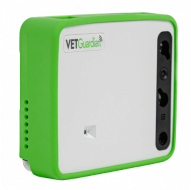
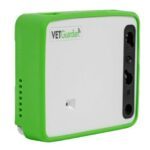
The VETGuardian touchless platform provides a revolutionary approach to patient care, ensuring pets are continuously monitored from admission to discharge. Using unique doppler radar technology, VETGuardian detects vital signs such as temperature, pulse, and respiration without wires or wearables.

Dr. Courtney Campbell DVM, DACVS-SA explains, “It works similar to a radar gun while driving. It also has an alarm that alerts veterinary technicians if those vitals are outside of a preset or customizable range.”

To use VETGuardian, simply mount the device to the patient’s kennel or an IV pole within five feet of the patient, press start, and begin monitoring.

Real-Time Data for Informed Decision Making

One of VETGuardian’s key advantages is its ability to provide vital sign data and live video feed on any internet-connected smart device. This allows veterinarians to access patient information anytime, anywhere, enabling timely interventions and proactive care.

Dr. Dan Danner DVM of Danner Veterinary Hospital shares, “VETGuardian has completely revolutionized the way we care for and protect the safety of our family pets. I have complete peace of mind to go home knowing that our patients are monitored 24/7 and are totally safe.”

Improving Practice Efficiency and Revenue

Beyond enhancing patient care, VETGuardian offers significant benefits for clinic efficiency and revenue generation:

  • Estimated time saved: Up to 2 hours per day per hospitalized patient
  • Increased overnight monitoring capabilities without additional staffing
  • Potential for higher fees for intensive care services

Technicians can multitask more effectively, knowing VETGuardian is monitoring post-surgical or ICU patients. The system’s infrared camera allows for monitoring even in low-light conditions.

"VETGuardian has completely revolutionized the way we care for and protect the safety of our family pets. I have complete peace of mind to go home knowing that our patients are monitoring 24/7 and are totally safe."

Enhancing Patient Comfort and Recovery

VETGuardian addresses both technological advancement and animal emotional well-being. Dr. Adam Christman DVM, MBA explains, “When pets are stressed, their pain sensations are heightened due to the release of stress hormones. Chronic stress can reduce endorphins, healing, and immune system responses.”

By providing continuous, non-invasive monitoring, VETGuardian creates a more relaxed environment supporting faster recovery and better health outcomes.

Case Study: Remote Monitoring in Action

Dr. Liz Millman DVM of PAC Veterinary Mobile Services shares her experience: “Covering a vast geographic area, the ability to monitor patients while on-the-go or treating clients in remote locations has been invaluable. In one instance, we were able to detect early signs of post-operative complications in a dog recovering from GDV surgery, allowing for prompt intervention despite being miles away from the clinic. VETGuardian has not only streamlined our operations but also has provided a crucial lifeline for ensuring optimal care in diverse and dynamic settings.”

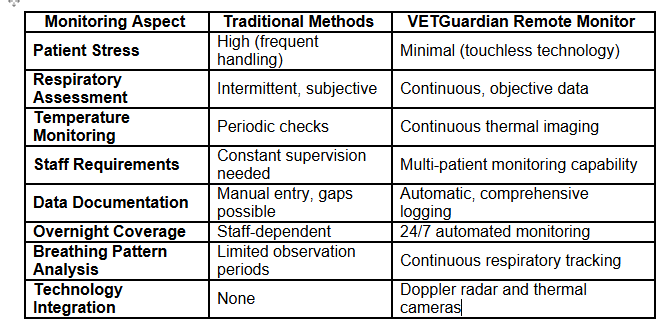
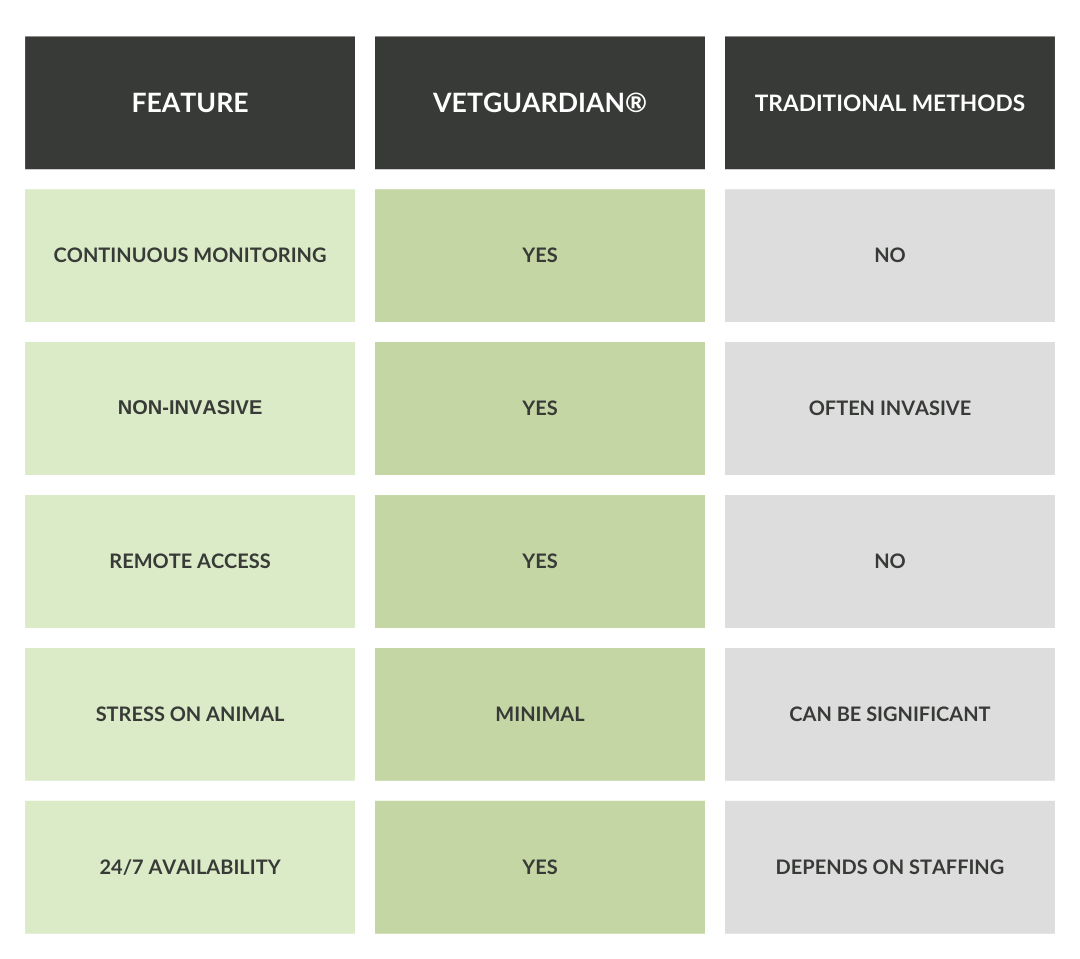
VETGuardian Versus Traditional Monitoring Methods

Implementation and Training with VETGuardian

Implementing VETGuardian in your practice is straightforward. The system comes with a user-friendly interface and requires minimal training. Most practices report their staff becoming proficient with the system within a day.

Innovations on the Horizon

We’re continuously improving VETGuardian. Upcoming features include AI-powered predictive analytics to help identify potential health issues before they become critical, and integration with popular practice management software for seamless workflow.

The Future of Veterinary Monitoring

As the veterinary industry continues to embrace technological advancements, remote monitoring systems like VETGuardian are set to play an essential role in veterinary care. By providing continuous vital sign monitoring, seamless integration, and enhanced clinic efficiency, VETGuardian is revolutionizing patient care and practice management.

Ready to revolutionize patient monitoring in your practice? Schedule a VETGuardian demo today and see how it can transform your patient care and practice efficiency.